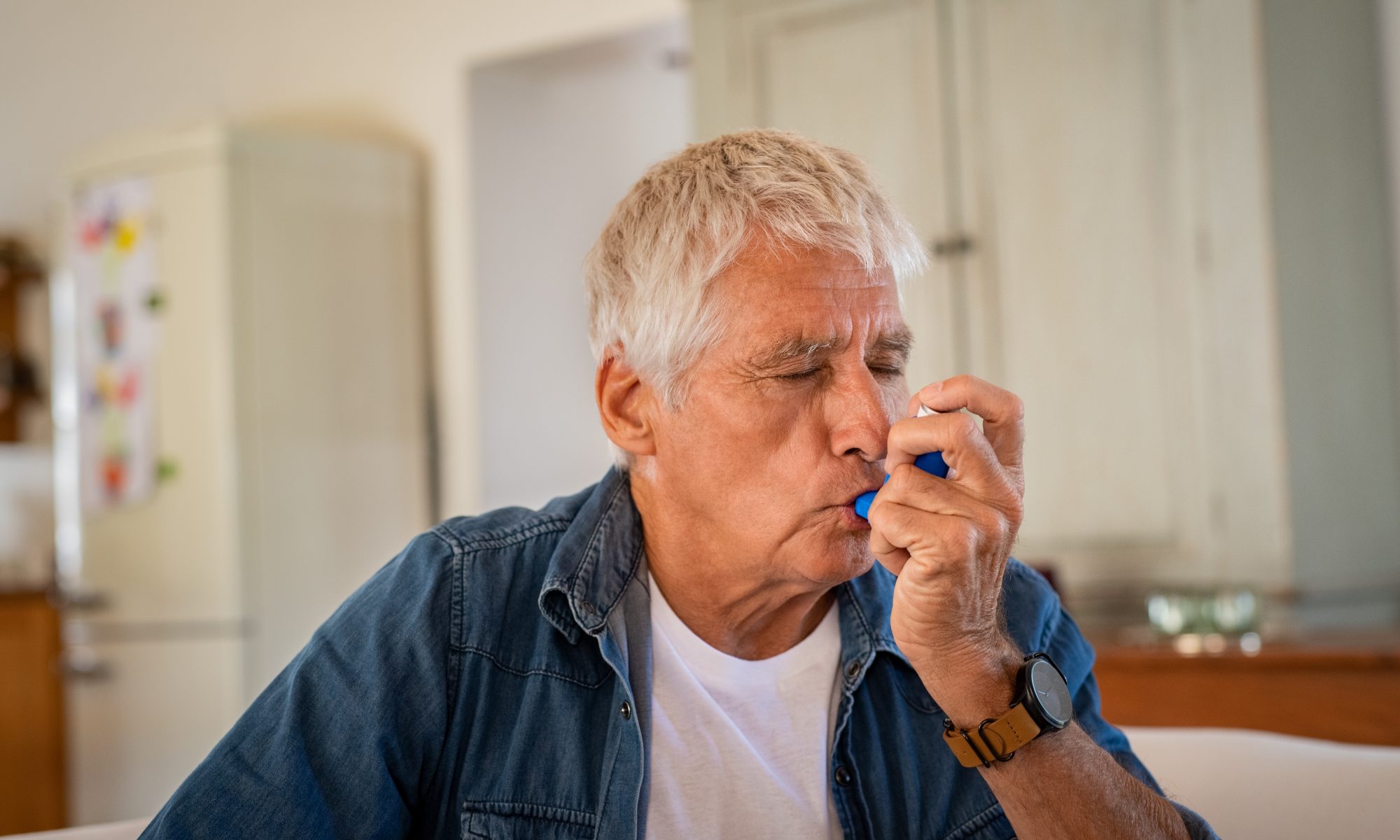
Seniors with COPD or asthma can effectively manage their respiratory conditions at home by following structured medication routines, monitoring symptoms closely, making targeted lifestyle adjustments, and maintaining clean, trigger-free living environments.
Managing COPD and asthma at home is entirely possible with the right tools, routines, and knowledge. For seniors, these conditions require a proactive approach—one that prioritizes both daily symptom control and long-term lung health. The strategies below break down exactly how to do that.
What Are the Key Differences between COPD and Asthma in Seniors?
COPD and asthma are both chronic respiratory conditions, but they behave differently, especially in older adults.
- COPD causes permanent airflow limitation and is most common in seniors with a history of smoking or long-term exposure to pollutants. Symptoms include chronic cough, mucus production, and progressive shortness of breath.
- Asthma involves reversible airway inflammation triggered by allergens, exercise, or irritants. In seniors, asthma is often underdiagnosed because its symptoms can overlap with COPD or heart conditions.
- Some seniors have both conditions simultaneously—a diagnosis known as Asthma-COPD Overlap (ACO), which requires tailored management.
Respiratory illnesses can make it difficult for seniors to handle everyday tasks on their own. Aging adults in east-central Virginia who require assistance with the tasks of daily living can benefit from reliable Richmond homecare services. Families trust Home Care Assistance to provide the high-quality care their elderly loved ones need and deserve. Our caregivers are trained to help seniors prevent and manage serious illnesses and encourage them to make healthier decisions as they age.
How Should Seniors Handle Their Medications at Home?
Consistent, correct medication use is the foundation of respiratory care for seniors.
- Inhalers are the primary treatment for both conditions. Seniors should use spacers with metered-dose inhalers (MDIs) to enhance delivery and reduce coordination challenges.
- Controller medications (such as inhaled corticosteroids) are taken daily to prevent symptoms, while rescue inhalers (such as short-acting bronchodilators) address sudden flare-ups.
- Keep a written medication schedule to avoid missed doses.
- Store all inhalers at room temperature and check expiration dates regularly.
- Review inhaler technique periodically to ensure proper use—incorrect technique is one of the most common reasons medications underperform.
What Lifestyle Changes Can Control Respiratory Symptoms?
Small, consistent changes to daily habits can significantly reduce the frequency and severity of flare-ups.
- Stay active with low-intensity exercises like walking or chair yoga, which strengthen respiratory muscles without overexertion.
- Quit smoking, if applicable—this is the single most impactful step for slowing COPD progression, according to the American Lung Association.
- Stay hydrated to thin mucus and make breathing easier.
- Monitor air quality using apps or local weather reports, and limit outdoor activity on high-pollution or high-pollen days.
- Maintain a healthy weight, as excess weight places additional strain on the lungs and diaphragm.
For some families, caring for a senior loved one can be overwhelming at times. Luckily, they can rely on professional Richmond overnight home care. Home Care Assistance is a trusted name in respite, hourly, and overnight care. Our caregivers are available around the clock to assist seniors with bathing, transportation, medication reminders, exercise, and much more, allowing families the time they need to focus on other important responsibilities or just take a break.
How Can Seniors Reduce Respiratory Triggers at Home?
The home environment plays a major role in respiratory health. Common triggers include dust, mold, pet dander, smoke, and strong chemical fumes.
- Use HEPA air purifiers in bedrooms and main living areas.
- Wash bedding weekly in hot water to reduce dust mites.
- Keep windows closed during high-pollen seasons and use air conditioning instead.
- Avoid aerosol sprays, scented candles, and harsh cleaning products.
- Address any mold or moisture issues promptly, particularly in bathrooms and basements.
How Can Seniors Track Their Respiratory Health at Home?
Regular monitoring can catch deterioration early and provides useful information for ongoing care.
- Peak flow meters measure how fast air can be exhaled and can detect worsening lung function before symptoms become severe—particularly useful for asthma management.
- Pulse oximeters track blood oxygen levels and can signal when breathing is compromised.
- Keep a daily symptom diary noting breathlessness levels, coughing frequency, and any new triggers.
- Know the warning signs of a serious flare-up: severe breathlessness at rest, blue-tinged lips or fingertips, or confusion.
Some seniors only require help with a few daily tasks so they can maintain their independence. However, those living with serious illnesses may need more extensive assistance. Luckily, there is professional 24-hour home care Richmond seniors can rely on. Home can be a safer and more comfortable place for your loved one to live with the help of an expertly trained and dedicated 24-hour caregiver. Home Care Assistance can be your trusted partner when your loved one needs help with the challenges of aging. Call us today to learn about our high-quality in-home care services.
Frequently Asked Questions
Can a senior with COPD or asthma use a nebulizer at home?
+
Yes, nebulizers are a practical option for seniors who have difficulty with inhalers, as they convert liquid medication into a mist that’s inhaled through a mask or mouthpiece without requiring precise coordination.
What’s the best sleeping position for seniors with breathing difficulties?
+
Sleeping with the head slightly elevated—using an adjustable bed or extra pillows—can reduce nighttime breathlessness and enhance oxygen levels during sleep.
Are there specific foods that help or worsen respiratory conditions in seniors?
+
Anti-inflammatory foods like fruits, vegetables, and omega-3-rich fish may support lung health, while processed foods and excessive salt can contribute to inflammation and fluid retention that worsen breathing.
How often should seniors with COPD or asthma have their lung function tested?
+
Lung function tests, such as spirometry, are typically recommended at least once a year for seniors managing chronic respiratory conditions to track progression and adjust treatment as needed.
Can cold or dry air trigger respiratory flare-ups in seniors?
+
Yes, cold and dry air are common triggers for both COPD and asthma. Seniors can reduce this risk by breathing through scarves or masks outdoors in winter and using humidifiers indoors to maintain optimal air moisture levels.