Blog

By Home Care Assistance Richmond, 8:00 am on October 27, 2026

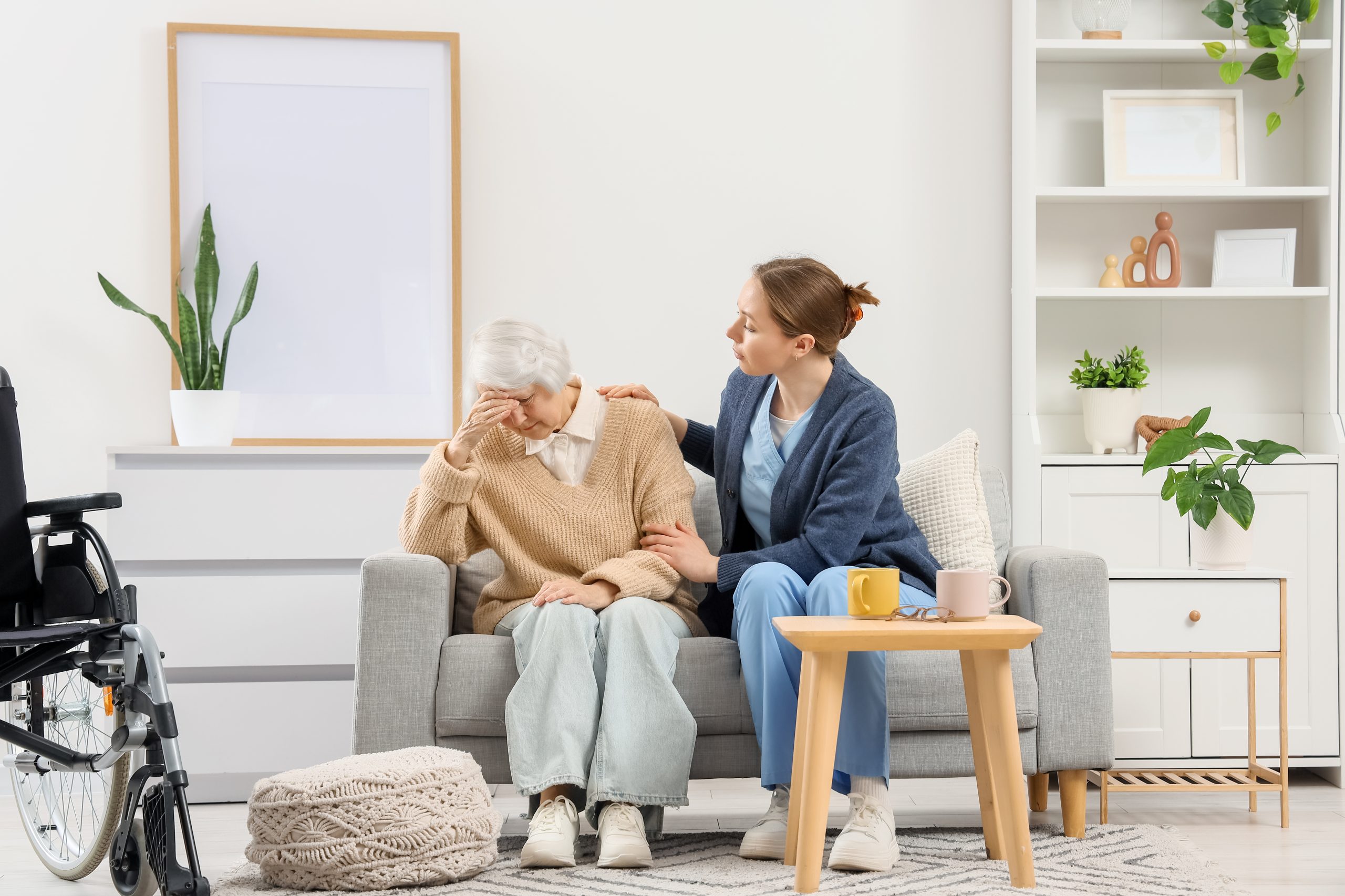
Responding to repetitive questions in dementia care requires patience, empathy, and redirection techniques—not corrections. People with dementia repeat questions because memory loss makes each question feel new to them, so caregivers should focus on the emotion behind the question rather than the repetition itself. Repetitive questioning is one of the most common—and emotionally taxing—behaviors caregivers encounter when supporting a senior…

By Home Care Assistance Richmond, 8:00 am on October 13, 2026

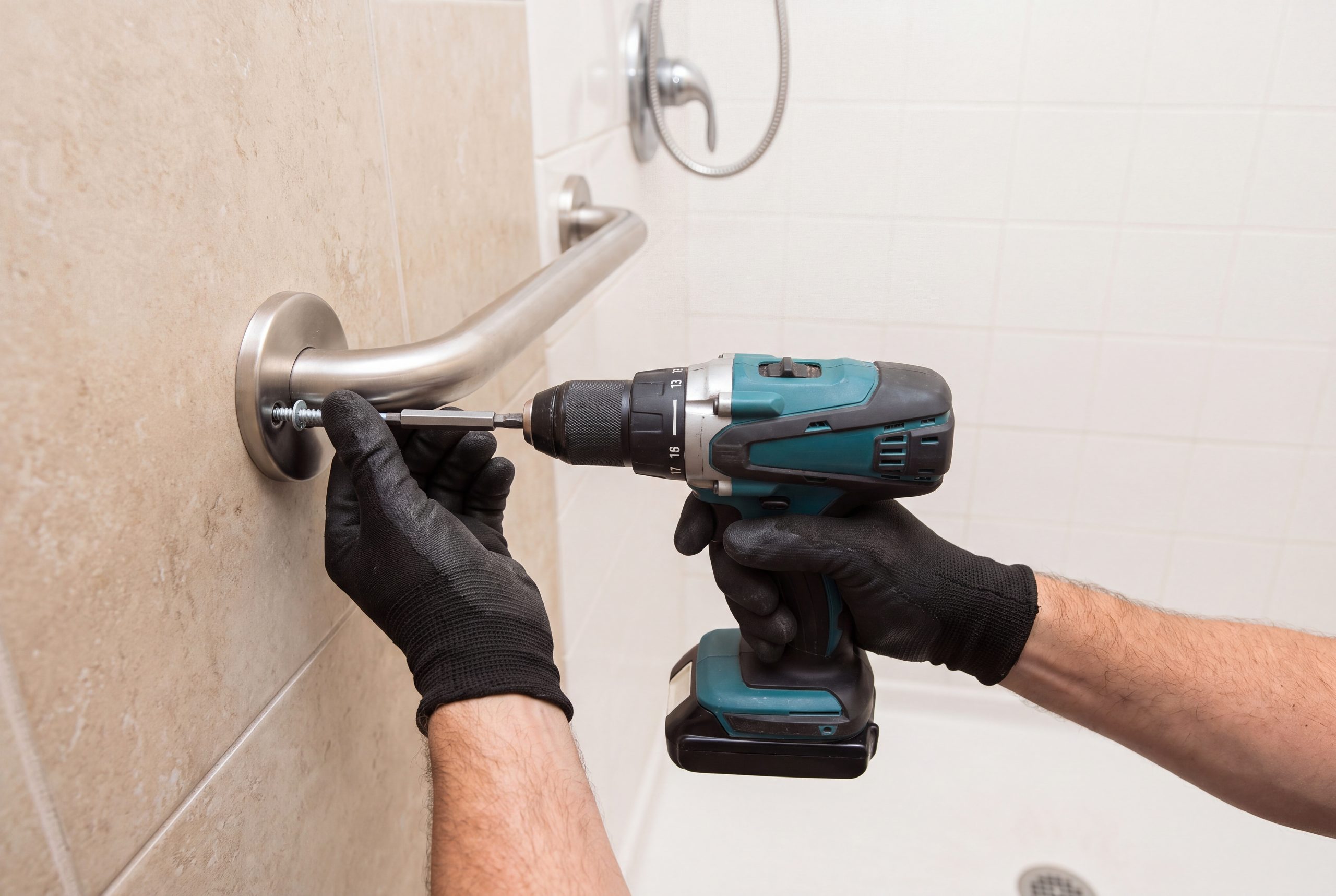
Falls are the leading cause of fatal and nonfatal injuries for adults aged 65 and older, according to the CDC. Simple targeted changes to the home environment can significantly reduce the risk. Here’s what seniors and caregivers need to know. What Are the Most Common Fall Hazards Inside the Home? Many fall risks hide in plain sight. The most common…

By Home Care Assistance Richmond, 8:00 am on September 29, 2026

Seniors with COPD or asthma can effectively manage their respiratory conditions at home by following structured medication routines, monitoring symptoms closely, making targeted lifestyle adjustments, and maintaining clean, trigger-free living environments. Managing COPD and asthma at home is entirely possible with the right tools, routines, and knowledge. For seniors, these conditions require a proactive approach—one that prioritizes both daily symptom…

By Home Care Assistance Richmond, 8:00 am on September 15, 2026

Advanced de-escalation strategies for dementia patients at home focus on identifying triggers, using calm communication techniques, adjusting the environment, and building consistent routines to reduce agitation and distress before it escalates. Caring for a senior loved one with dementia at home means learning how to respond—not react—when difficult moments arise. With the right strategies in place, caregivers can reduce the…

By Home Care Assistance Richmond, 8:00 am on August 25, 2026

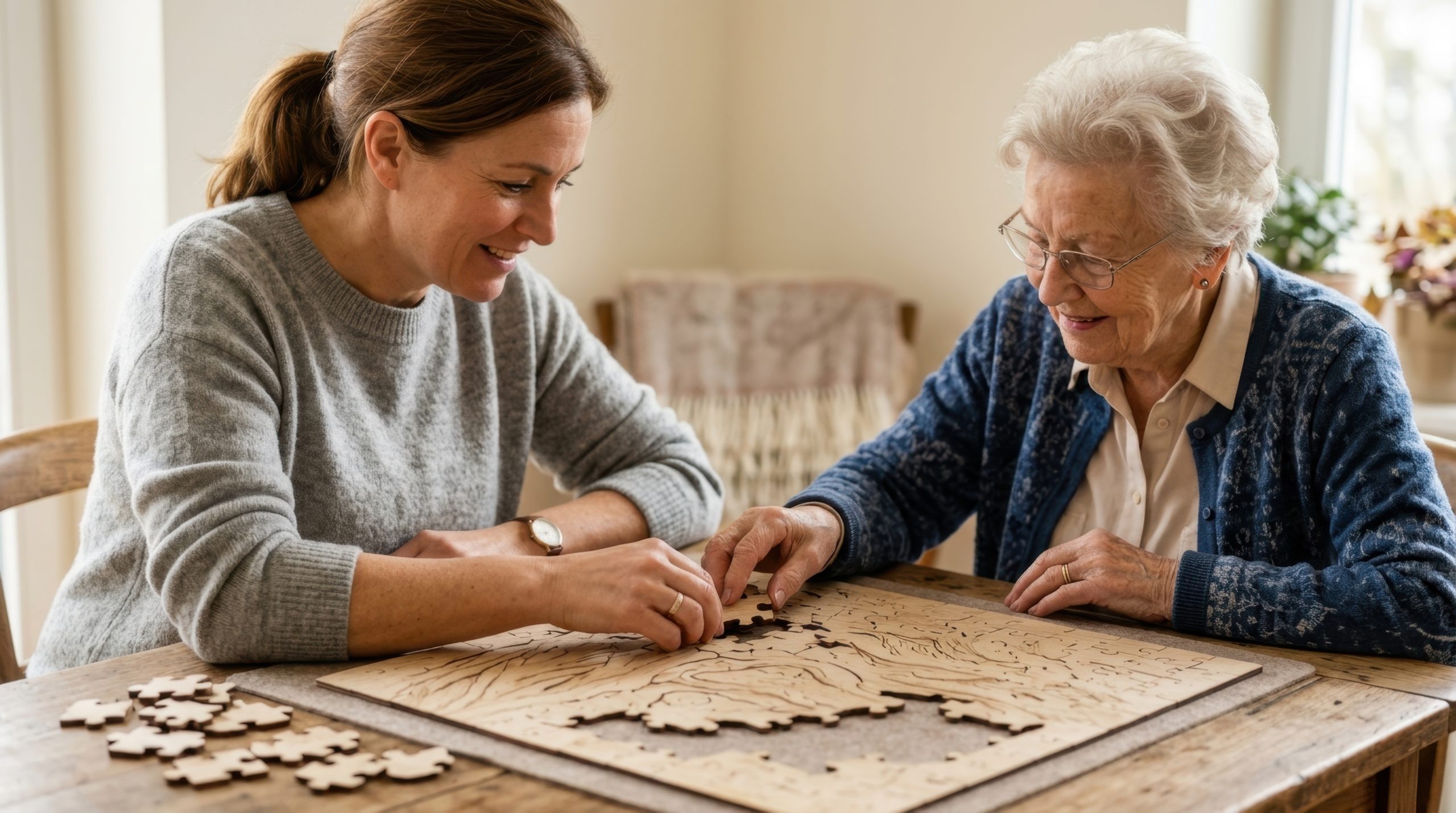
In-home dementia care is one of the most effective ways to support cognitive health in seniors with dementia. Familiar surroundings reduce anxiety and confusion, creating the ideal environment for meaningful mental engagement. With the right strategies, caregivers can make a measurable difference in their senior loved ones’ quality of life every single day. How Does a Daily Routine Keep Dementia…

By Home Care Assistance Richmond, 8:00 am on August 11, 2026

Compassionate in-home care for seniors with terminal cancer means creating comfortable, supportive, and dignified environments that honor their physical, emotional, and personal needs. It blends practical daily support with genuine warmth, helping seniors feel safe and valued in the place they know best—home. Thoughtful planning and steady emotional presence make this care meaningful for both seniors and their families. How…

By Home Care Assistance Richmond, 6:00 am on July 28, 2026

Integrating comfort measures into late-stage dementia care means shifting the daily focus entirely toward maximizing a person’s emotional and physical peace rather than trying to reverse cognitive decline. By prioritizing holistic wellbeing, caregivers can create a calming, supportive environment that honors the individual’s dignity. This specialized approach uses sensory engagement and environmental adjustments to ease stress during the final stages…

By Home Care Assistance Richmond, 8:00 am on July 14, 2026

In-home care provides peace of mind by ensuring seniors receive safe, personalized support with daily household tasks while remaining in the comfort of their own homes. This approach relieves family members from the constant worry of caregiving, allowing them to enjoy quality time with their loved ones instead of managing chores. Families can finally breathe easier knowing dedicated professionals are…

By Home Care Assistance Richmond, 8:00 am on June 23, 2026

Dementia caregivers can manage hallucinations or delusions by staying calm, validating seniors’ feelings, and redirecting their attention to soothing activities. Experiencing these false perceptions can be terrifying for individuals with dementia and overwhelming for those providing care. By creating safe environments and using compassionate communication, caregivers can reduce distress and maintain peaceful homes. What Are the Common Triggers for Hallucinations…

By Home Care Assistance Richmond, 8:00 am on June 9, 2026

In-home care helps seniors maintain their independence by providing tailored support with everyday activities right in the comfort of their own homes. This approach empowers older adults to continue living by their own rules, routines, and schedules. From managing light household chores to running errands, personalized care plans ensure a safe and comfortable lifestyle without compromising personal freedom. How Does…