Falls are the leading cause of fatal and nonfatal injuries for adults aged 65 and older, according to the CDC. Simple targeted changes to the home environment can significantly reduce the risk. Here’s what seniors and caregivers need to know.
What Are the Most Common Fall Hazards Inside the Home?
Many fall risks hide in plain sight. The most common indoor hazards include:
- Loose rugs and slippery floors, especially in hallways and kitchens
- Poor lighting in stairways, bedrooms, and bathrooms
- Cluttered walkways that obstruct clear paths between rooms
- Unsecured electrical cords running across floors
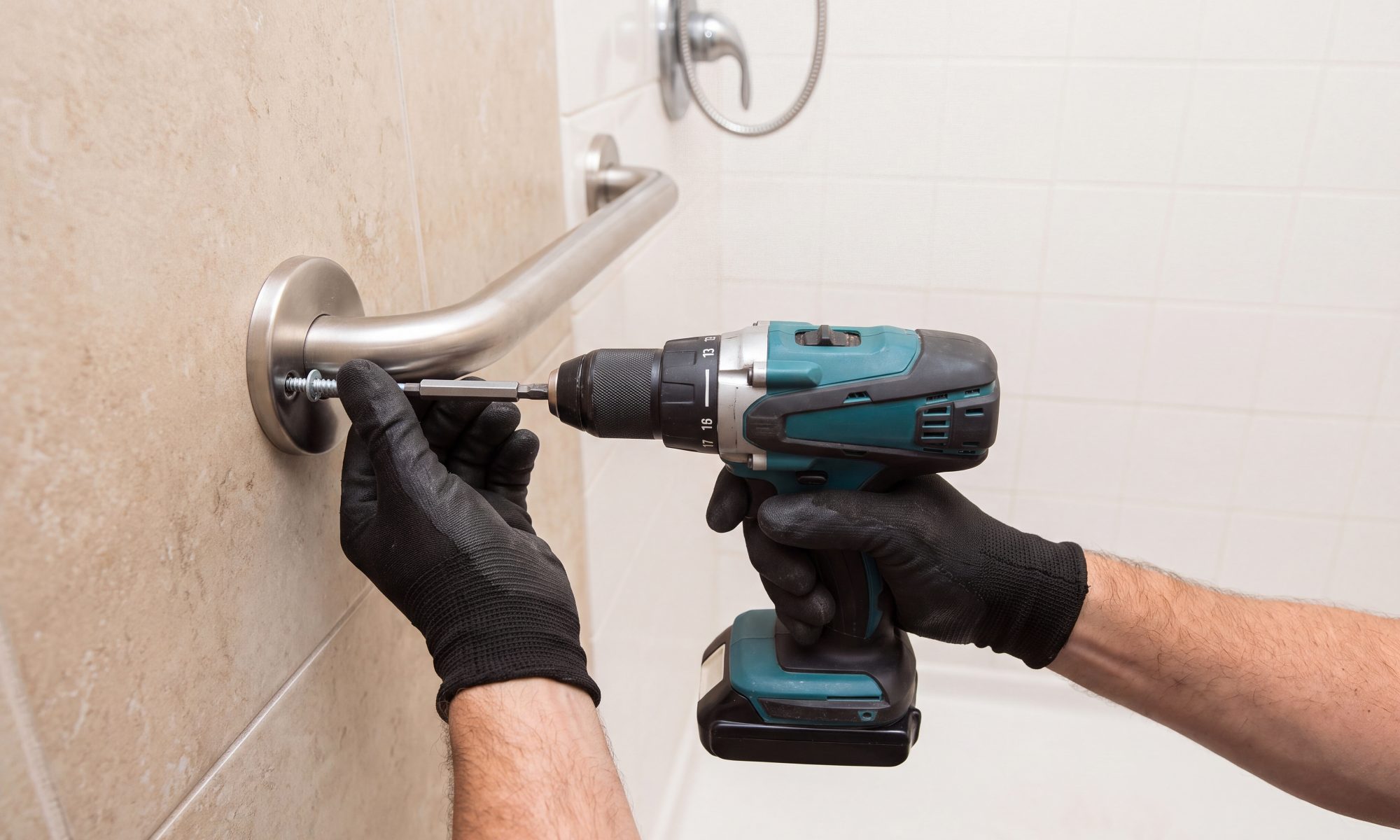
- Lack of grab bars in the bathroom near the toilet and shower
Hiring a professional caregiver is one of the many ways you can reduce your loved one’s risk of falls. Many older adults are choosing to age in place, and some need a helping hand to continue living at home safely and comfortably. Luckily, there is professional in-home care Richmond seniors can trust and rely on.
How Can You Make the Bathroom Safer for Seniors?
The bathroom is the highest-risk room in the home for falls. Key modifications include:
- Installing grab bars next to the toilet and inside the shower or tub
- Using nonslip mats on wet floor surfaces
- Adding a shower chair or bench to reduce the need to stand for extended periods
- Installing a handheld showerhead for greater control and stability
- Raising the toilet seat height if bending down is difficult
What Lighting Changes Can Prevent Falls at Home?
Poor visibility is a major contributor to falls, particularly at night. Effective lighting improvements include:
- Placing nightlights in hallways, bedrooms, and bathrooms
- Installing motion-sensor lights that activate automatically
- Adding light switches at both the top and bottom of staircases
- Ensuring stair edges are clearly visible, using contrasting colored tape if needed
- Replacing dim bulbs with bright, energy-efficient LED lighting
Some seniors need occasional assistance at home, and oftentimes the family members who take care of them need time away to run errands, take a nap, go to work, or take a vacation. The Richmond respite and overnight home care experts from Home Care Assistance are available on an as-needed basis, giving your family peace of mind that your loved one will remain safe and comfortable while you relax or focus on other important responsibilities.
How Does Physical Fitness Reduce the Risk of Falling?
Strength, balance, and flexibility all play direct roles in fall prevention. Practical steps include:
- Participating in balance-focused exercises like tai chi or yoga
- Wearing well-fitting, supportive footwear with nonslip soles, even indoors
- Having vision checked regularly, as impaired eyesight significantly increases fall risk
- Reviewing medications with a pharmacist, since some can cause dizziness or affect balance
- Using a cane or walker when recommended to support stability
What Technology Can Help Seniors Avoid Falls at Home?
Modern technology offers practical tools that add an extra layer of safety:
- Personal emergency response systems (PERS), such as wearable alert buttons, allow seniors to call for help quickly after a fall.
- Smart home devices like voice-activated assistants can control lights and appliances without requiring movement.
- Fall detection wearables automatically alert emergency contacts when a fall is detected.
- Video doorbells and smart locks reduce the need to rush to the front door.
Aging in place can present a few unique challenges for older adults. Some only require part-time assistance with exercise or meal preparation, while others are living with serious illnesses. If your elderly loved one needs the best Richmond 24-hour home care, turn to Home Care Assistance. Our caregivers encourage seniors to focus on eating nutritious foods, exercising on a regular basis, maintaining strong social ties, and other lifestyle factors known to increase longevity. To learn more about our premier in-home care plans, call us today.
Frequently Asked Questions
What are the most effective ways to prevent falls in seniors?
+
Removing home hazards, improving lighting, installing grab bars, and maintaining physical fitness are among the most effective fall prevention strategies for older adults.
Are area rugs dangerous for seniors?
+
Yes, loose area rugs are a leading tripping hazard. Securing them with nonslip backing or removing them entirely is strongly recommended.
How often should fall hazards at home be assessed?
+
A home safety assessment should be conducted at least once a year or any time your loved one’s mobility or health status changes.
Can fall prevention exercises really make a difference?
+
Yes. According to the National Council on Aging, fall prevention exercise programs can reduce the rate of falls among older adults by up to 23 percent.
Is it safe for seniors to live alone if they’re at risk for falling?
+
With the right safety modifications, assistive devices, and emergency response systems in place, many seniors at risk for falling can continue to live safely and independently at home.