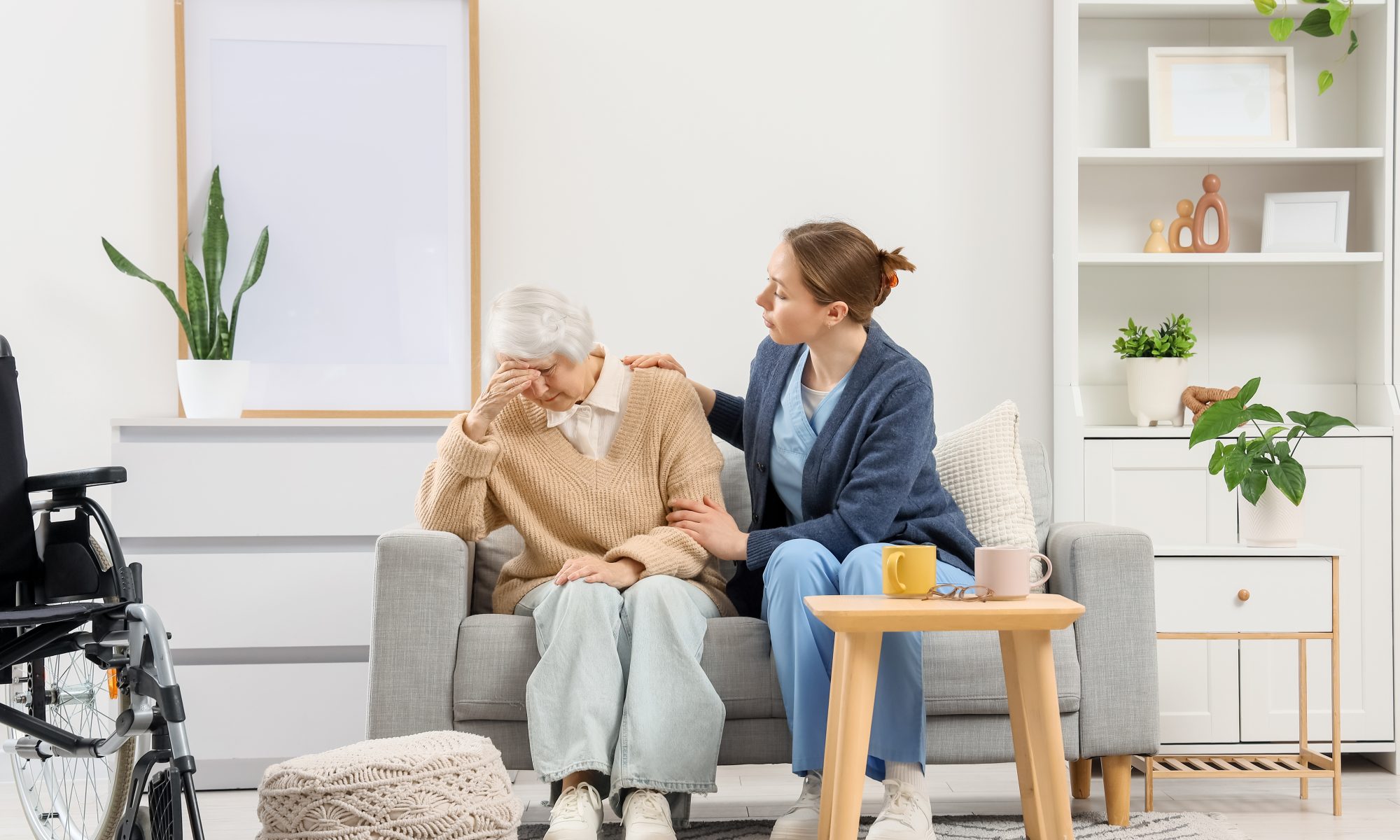
Advanced de-escalation strategies for dementia patients at home focus on identifying triggers, using calm communication techniques, adjusting the environment, and building consistent routines to reduce agitation and distress before it escalates.
Caring for a senior loved one with dementia at home means learning how to respond—not react—when difficult moments arise. With the right strategies in place, caregivers can reduce the frequency and intensity of distressing episodes and create a safer, calmer environment for everyone involved.
What Are the Most Common Triggers for Agitation in Dementia Patients?
Understanding what causes distress is the first step toward preventing it. Common triggers include:
- Unmet physical needs such as hunger, thirst, pain, or fatigue
- Environmental overstimulation like loud noises, cluttered spaces, or unfamiliar faces
- Sudden changes in routine that disrupt the senior’s sense of predictability
- Misidentification or confusion about where the senior is or who someone else is
- Feelings of loss of control, particularly during personal care tasks like bathing or dressing
Keeping a simple log of when episodes occur can help caregivers identify patterns and address root causes proactively.
The cognitive challenges that accompany dementia often leave aging adults unable to manage everyday tasks, which puts their safety and health at risk. If your senior loved one has been diagnosed with a serious condition and needs help with tasks like meal prep, transportation, bathing, and grooming, reach out to Home Care Assistance, a leading provider of homecare Richmond families can trust. We also offer comprehensive care for seniors with dementia, Alzheimer’s, and Parkinson’s.
How Can Caregivers Use Verbal Communication to De-Escalate a Crisis?
The way something is said matters as much as what is said. Effective verbal de-escalation techniques include:
- Speaking slowly and calmly in a low, reassuring tone
- Using short, simple sentences rather than complex instructions
- Avoiding argument or correction. If your loved one believes something that isn’t true, redirecting is more effective than debating.
- Validating emotions by acknowledging how your loved one feels (“I can see you’re upset. I’m here with you.”)
- Asking one question at a time to avoid overwhelming your loved one
Phrases that begin with “You’re safe,” “I’m here,” or “Let’s do this together” can be especially grounding.
Symptoms such as agitation, confusion, anger, and frustration are common in elderly people with dementia. Certain age-related conditions can make it more challenging for seniors to age in place safely and comfortably, but 24-hour home care experts are available around the clock to help Richmond seniors manage their health. Whether your loved one is living with dementia or recovering from a stroke, you can trust the professional 24-hour caregivers from Home Care Assistance to enhance his or her quality of life.
What Environmental Changes Can Reduce Agitation at Home?
The physical environment plays a significant role in a dementia patient’s emotional state. Consider the following adjustments:
- Reduce noise and clutter, particularly during meals and personal care routines.
- Use soft consistent lighting to avoid shadows that can cause confusion or fear.
- Create a designated calm space with familiar objects, photos, and comforting textures.
- Play familiar soothing music from your loved one’s past. According to the Alzheimer’s Association, music can reduce anxiety and boost mood in people with dementia.
- Limit the number of people in the room during stressful moments.
Small changes to the home environment can significantly lower baseline stress levels throughout the day.
How Does Routine Prevent Escalation in Dementia Patients?
Predictability is deeply calming for people with dementia. A structured daily routine reduces anxiety by removing uncertainty. Practical steps include:
- Keeping mealtimes, bathing, and bedtime at consistent times each day
- Preparing your loved one verbally before transitions (“In a few minutes, we’re going to have lunch.”)
- Incorporating activities your loved one has always enjoyed, such as gardening, folding laundry, or listening to music
- Avoiding scheduling demanding tasks during times of day when agitation is historically higher (often late afternoon, sometimes called “sundowning”)
Consistency doesn’t mean rigidity. Caregivers should remain flexible while preserving the overall structure.
What Nonverbal Techniques Can Calm a Distressed Dementia Patient?
Body language and physical presence can be powerful de-escalation tools. Effective nonverbal strategies include:
- Maintaining a calm, open posture, avoiding crossing your arms or standing over your loved one
- Making gentle eye contact at the same eye level rather than from above
- Offering a reassuring touch on the hand or shoulder if your loved one is comfortable with physical contact
- Moving slowly and deliberately to avoid startling your loved one
- Stepping back and giving space when your loved one appears overwhelmed
Nonverbal cues often communicate safety more effectively than words alone, particularly in later stages of dementia.
Aging in place can present a few challenges for seniors living with dementia. However, with the help of professional Richmond dementia care, older adults can still live independently at home. Families can rely on Home Care Assistance to provide their elderly loved ones with mental and social stimulation, timely medication reminders, assistance with meal prep, and much more. Our caregivers are available around the clock to help your loved one live a happier and healthier life. Call Home Care Assistance to learn more about our flexible and customizable senior care plans
Frequently Asked Questions
What’s the first thing a caregiver should do when a dementia patient becomes agitated?
+
Stay calm and resist the urge to argue or correct. Focus on your loved one’s emotional state rather than the content of what he or she is saying, and respond with a reassuring, validating tone.
Is it safe to leave a dementia patient alone during an episode of agitation?
+
In most cases, leaving a dementia patient alone during an episode isn’t recommended, as it can intensify feelings of fear or abandonment. Remain present and use calm communication until your loved one feels settled.
How long do de-escalation episodes typically last?
+
The duration varies widely depending on the individual and the trigger. Many episodes resolve within a few minutes once the dementia patient feels heard and safe, though some may take longer.
Can certain foods or medications affect agitation levels in dementia patients?
+
Yes. Hunger, dehydration, and medication side effects can all contribute to increased agitation. Track meal and hydration patterns and consult with your loved one’s care team if agitation coincides with medication schedules.
Are there tools or resources to help caregivers practice de-escalation techniques?
+
Yes. Organizations such as the Alzheimer’s Association and the Dementia Society of America offer free caregiver training resources, online guides, and support groups specifically focused on behavioral management strategies.